
Style
Psychedelic Mushrooms Guide: Understanding Psilocybin, Research, and Risks
Jan
A psychedelic mushrooms guide can help readers understand what psilocybin mushrooms are, how they affect the brain, and what scientific research currently says about their potential effects. These mushrooms have attracted attention because of their historical use, their influence on perception, and ongoing investigations into their possible role in mental health research.
However, psychedelic mushrooms guide also involve important health, safety, and legal considerations. Understanding the available evidence is essential for separating scientific findings from exaggerated claims and misinformation.
At Trippyville, educational content can help readers explore psychedelic-related topics while learning about scientific evidence, potential risks, and responsible decision-making.
What Are Psychedelic Mushrooms?
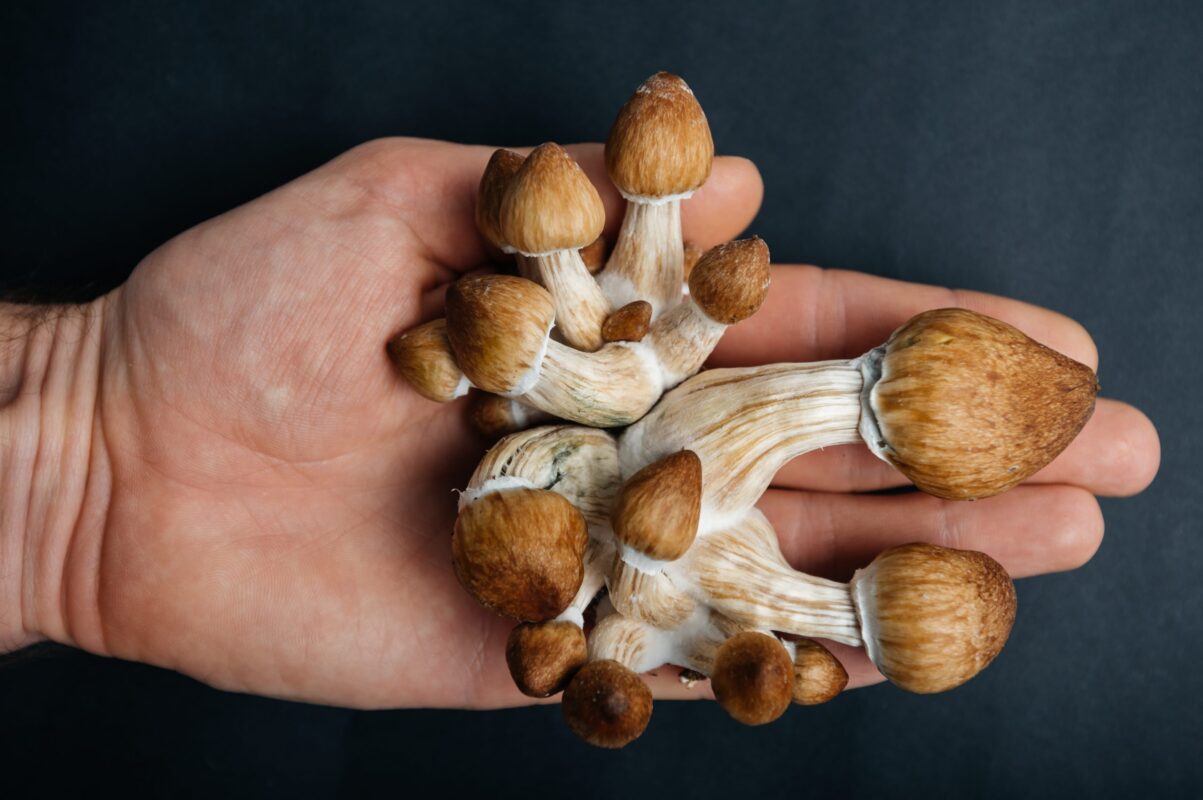
Psychedelic mushrooms are certain fungi that contain psychoactive compounds, particularly psilocybin. After entering the body, psilocybin is converted into psilocin, psychedelic mushrooms guide which interacts with serotonin receptors in the brain.
These interactions can influence perception, mood, thought patterns, and a person’s experience of their surroundings.
Not all mushrooms contain psychedelic compounds, and some poisonous mushrooms can resemble other species. Identifying a mushroom based only on its appearance, photographs, or online descriptions can be dangerous.
For scientific background, explore the National Institute on Drug Abuse’s information about hallucinogens.
How Does Psilocybin Affect the Brain?
Psilocybin can temporarily change the way people process sensory information, emotions, and thoughts. Reported effects may include altered perceptions of time, changes in emotional experiences, and unusual sensory impressions.
The experience varies considerably between individuals. psychedelic mushrooms guide Mental health, surroundings, individual sensitivity, other substances, and the uncertainty of a product’s composition can all influence the outcome.
Researchers continue to investigate how psilocybin affects brain networks and whether these changes may help explain findings from controlled clinical studies.
It is important to remember that changes in perception do not necessarily indicate a therapeutic benefit.
Potential Risks of Psychedelic Mushrooms
Although psychedelic mushrooms are discussed in scientific research, they are not risk-free.
Psychological Effects
Some individuals may experience anxiety, panic, paranoia, confusion, or distressing perceptual changes. These reactions can be particularly concerning when a person cannot distinguish an unusual experience from their normal surroundings.
People with certain psychiatric conditions or vulnerabilities may face additional risks.
Physical Effects
Possible psychedelic mushrooms guide effects include nausea, dizziness, increased heart rate, and changes in blood pressure. Impaired judgment and altered perception can also increase the likelihood of accidents.
Severe symptoms, loss of consciousness, seizures, or suspected poisoning require urgent medical assessment.
Mushroom Misidentification
One of the most serious dangers is confusing a psychoactive mushroom with a poisonous species. Some toxic mushrooms can cause severe organ damage or death.
Do not eat a wild mushroom based on an online identification or an unverified seller’s claim. If poisoning is suspected, contact emergency services or a poison information service immediately.
Uncertain Potency and Composition
The concentration of psychoactive compounds can vary between mushrooms and products. Products sold under a particular name may also contain unexpected substances.
Consequently, labels, appearance, and marketing descriptions cannot guarantee a product’s identity, strength, or safety.
What Does Scientific Research Say About Psilocybin?
Scientists have investigated psilocybin in controlled clinical studies involving conditions such as depression and other mental health concerns.
Some studies have reported promising results in carefully selected participants receiving structured professional support. Nevertheless, research is ongoing, and findings from clinical trials cannot automatically be applied to unsupervised use.
Important limitations include:
- Clinical trials may involve relatively small or carefully selected groups.
- Participants may receive psychological support alongside the investigated substance.
- Results can differ depending on the condition being studied and the research design.
- Potential adverse effects require careful monitoring.
- Further evidence may be needed to establish long-term outcomes and appropriate clinical use.
For additional information about mental health and substance-related topics, visit the Substance Abuse and Mental Health Services Administration.
Psychedelic mushrooms guide and Mental Health
The relationship between psychedelic substances and mental health is complex. Some researchers are investigating whether psilocybin-assisted therapy could have a role in treating particular conditions.
These approaches generally involve screening, professional supervision, and follow-up rather than simply taking a substance without support.
Psychedelic mushrooms should not be considered a guaranteed treatment for depression, anxiety, trauma, or addiction. People experiencing mental health difficulties should consult a qualified healthcare professional before making decisions about treatment or changing prescribed medication.
For general information about mental health, the National Institute of Mental Health offers educational resources on mental health conditions and current research.
Legal Status of Psychedelic Mushrooms
The legal status of psilocybin mushrooms varies between countries and jurisdictions. Possession, cultivation, sale, transportation, and importation may be subject to different restrictions.
Some jurisdictions have introduced limited research, medical, or other regulated arrangements. These exceptions do not necessarily mean that general possession or commercial sale is permitted.
Before relying on information about a particular location, consult current government legislation and official legal guidance. Laws can change, and online discussions may not reflect the current position.
How to Find Reliable Information About Psychedelic Mushrooms
The internet contains scientific publications, personal experiences, commercial claims, and misleading information. Readers should evaluate sources carefully.
Check the Source
Prefer established research institutions, peer-reviewed publications, and government health agencies.
Be Careful With Health Claims
Claims that psychedelic mushrooms can cure a condition or work safely for everyone should be treated skeptically. Research findings must be considered alongside study limitations and known risks.
Compare Independent Sources
Consult multiple credible sources instead of relying on a single blog post, advertisement, or social media account.
Consider the Publication Date
Medical research and legal requirements can change. Recent, authoritative information is particularly important when researching treatment options or legal restrictions.
Frequently Asked Questions
What are psychedelic mushrooms guide?
Psychedelic mushrooms are certain fungi containing psychoactive compounds such as psilocybin, which the body converts into psilocin.
Are psychedelic mushrooms guide safe?
They can cause psychological distress, physical symptoms, accidents, and serious poisoning if a toxic mushroom is misidentified. Their effects are not predictable for everyone.
Can psilocybin help with depression?
Some clinical studies have reported promising findings in controlled settings, but research is ongoing. Psilocybin is not a universally appropriate or guaranteed treatment, and its regulatory status varies.
Are psychedelic mushrooms guide legal?
Their legal status depends on the jurisdiction and circumstances. Always consult current official legal guidance.
Where can I learn more?
Start with reputable resources such as NIDA, NIMH, and SAMHSA.
Conclusion
A reliable psychedelic mushrooms guide should explain both the scientific interest in psilocybin and the risks associated with psychedelic mushrooms. Although researchers are investigating potential therapeutic applications, important questions about safety, long-term outcomes, and appropriate clinical use remain.
Learning from trustworthy sources, understanding legal requirements, and seeking qualified medical guidance can help readers develop a more informed perspective.
Visit Trippyville to explore the website’s available content and continue learning about related topics through credible educational resources.
