
Uncategorized
Psychedelic Education and Safety: Understanding the Risks and Facts
Oct
Psychedelic education and safety are important topics for anyone seeking reliable information about psychedelic substances and their potential effects. These substances can affect perception, mood, thinking, and a person’s experience of reality. Although they are sometimes discussed in scientific research and mental health conversations, their effects can vary significantly between individuals.
At Trippyville, educational information about psychedelics should help readers understand the available evidence, recognize potential risks, and make informed decisions. Psychedelic education and safety Learning about mental health effects, legal considerations, and reliable scientific resources is an important starting point.
This guide explores what psychedelics are, how they can affect the mind and body, why safety matters, and where to find trustworthy information.
What Are Psychedelics?
Psychedelics are a group of psychoactive substances that can alter perception, thought patterns, emotions, and sensory experiences. Some are naturally occurring, while others are produced synthetically.
Commonly discussed substances include psilocybin, LSD, DMT, and mescaline. Although these substances may share certain effects, they differ in their pharmacology, duration, risks, and legal status.
Researchers study some psychedelics to better understand consciousness and investigate possible applications in mental health care. However, scientific research involving carefully screened participants and controlled clinical settings is different from unsupervised use.
For an overview of the science, visit the National Institute on Drug Abuse (NIDA), which provides information about hallucinogens and dissociative drugs.
Why Psychedelic Education and Safety Matter
Psychedelic education and safety Understanding psychedelics requires more than knowing their names or commonly reported effects. Reliable education also involves understanding uncertainty, individual differences, potential harms, and the importance of professional guidance.
1. Understanding Psychological Effects
Psychedelics can change how a person experiences their surroundings, emotions, thoughts, and sense of time. Some people report unusual sensory experiences, while others may experience fear, confusion, panic, or distress.
The same substance can produce different experiences in different circumstances. A person’s mental health, environment, other substances, and individual sensitivity can all influence the outcome.
It is important not to assume that a substance will produce a predictable or positive experience.
2. Recognizing Potential Health Risks
Psychedelic substances are not risk-free. Potential concerns include anxiety, panic reactions, impaired judgment, increased heart rate or blood pressure, Psychedelic education and safety and accidents related to altered perception.
Some people may experience persistent psychological distress or other lasting effects. Individuals with certain psychiatric vulnerabilities may face additional concerns.
Anyone experiencing severe confusion, a seizure, chest pain, loss of consciousness, or an immediate risk of self-harm should receive urgent medical assistance.
3. Understanding Product Uncertainty
The identity, strength, and purity of an unregulated substance may be uncertain. Products sold under a particular name may contain unexpected ingredients or differ substantially from what a person expects.
Appearance alone cannot reliably establish a substance’s identity or composition. Psychedelic education and safety This uncertainty is an important reason to consult credible public-health information rather than relying on marketing claims or online anecdotes.
4. Learning About Legal Considerations
The legal status of psychedelic substances differs between countries and jurisdictions. Some substances are controlled or prohibited, and laws may also apply to possession, production, distribution, or importation.
Research programs and specific medical arrangements may operate under separate legal requirements. These exceptions should not be interpreted as general permission for personal use.
Before relying on information about a particular substance, consult current government guidance for the relevant jurisdiction.
For additional information about controlled substances in the United States, consult the U.S. Drug Enforcement Administration.
Common Types of Psychedelic Substances
Different psychedelic substances have different properties. Understanding these distinctions helps readers avoid treating them as interchangeable.
Psilocybin
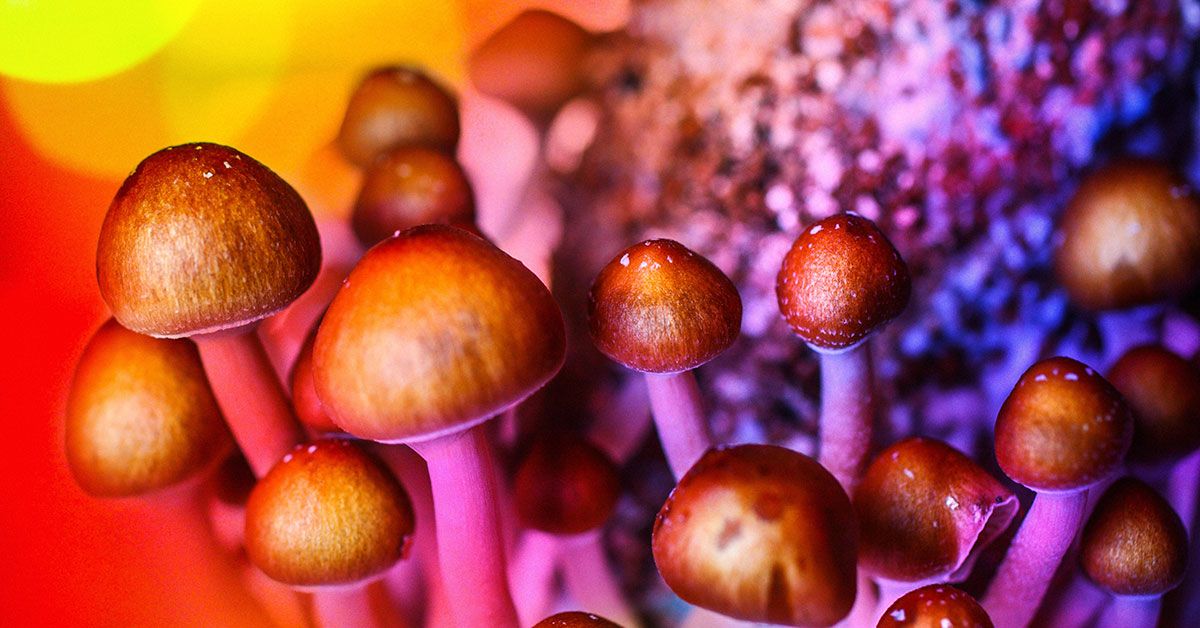
Psilocybin is a naturally occurring psychedelic found in certain mushroom species. The body converts it into psilocin, which interacts with serotonin receptors in the brain.
Researchers have investigated psilocybin in controlled studies involving conditions such as depression and other mental health concerns. These studies have specific screening, supervision, and monitoring requirements, and their findings do not establish that unsupervised use is safe or effective.
Learn more through NIDA’s information on hallucinogens.
LSD
Lysergic acid diethylamide, commonly known as LSD, is a potent synthetic psychedelic that can alter perception, emotions, and thought processes.
Its effects can be unpredictable, and distressing experiences, impaired judgment, and psychological complications are possible. Research findings about one psychedelic should not automatically be applied to LSD or other substances.
DMT
Dimethyltryptamine, or DMT, is a psychedelic compound that occurs naturally in some plants and can also be produced synthetically. It can cause substantial changes in perception and awareness.
Its effects and associated risks depend on several factors, including the substance involved and the circumstances of exposure. Products marketed as DMT should not be assumed to have a verified identity or composition.
Mescaline
Mescaline is a naturally occurring psychedelic associated with certain cactus species. It can alter perception and mood and may cause physical effects such as nausea or an increased heart rate.
Its cultural, historical, and legal contexts vary. Accurate information should distinguish traditional practices, scientific research, and contemporary laws.
Psychedelics and Mental Health Research
Interest in psychedelic research has increased as scientists investigate how certain compounds interact with brain systems associated with perception, mood, and cognition.
Some clinical studies have reported promising findings for specific substances and carefully selected participants. However, research is ongoing, and results depend on the substance, study design, clinical support, and population being studied.
Several important points should be considered:
- Research results do not guarantee that a treatment will work for everyone.
- Clinical studies may exclude people with particular medical or psychiatric conditions.
- Professional screening and monitoring are important components of controlled research.
- Research into a substance does not mean that every product containing it is safe.
- Psychedelics should not be treated as substitutes for prescribed treatment without qualified medical advice.
For general information about mental health and substance-related concerns, visit the Substance Abuse and Mental Health Services Administration (SAMHSA).
How to Find Reliable Information About Psychedelics
The internet contains scientific resources, personal stories, commercial promotions, and misleading claims. Learning to distinguish between these sources can help readers develop a more accurate understanding.
Look for Scientific Evidence
Prefer information from established research institutions, peer-reviewed publications, and public-health agencies. Check whether an article describes a clinical trial, an observational study, an animal study, or an individual’s personal experience.
These types of evidence have different strengths and limitations.
Be Cautious About Medical Claims
Claims that a psychedelic can cure depression, anxiety, addiction, or another condition should be evaluated carefully. Promising early research is not the same as an established, approved treatment.
Look for information about study limitations, adverse effects, and the need for additional research.
Check Publication Dates
Scientific understanding and legal requirements can change. Review publication dates and consult current official resources when researching medical recommendations or legal status.
Compare Multiple Credible Sources
Comparing information from independent scientific and public-health organizations can help identify inconsistencies and distinguish established findings from speculation.
Responsible Conversations About Psychedelics
Psychedelics are discussed in scientific, cultural, historical, and personal contexts. These conversations are more useful when they acknowledge both potential research interests and known uncertainties.
Avoid stigmatizing people who have questions about substance use or mental health. At the same time, avoid portraying psychedelics as universally beneficial, harmless, or appropriate for everyone.
Clear information should recognize individual differences, explain possible harms, and encourage professional assistance when health concerns arise.
Frequently Asked Questions About Psychedelic Education and Safety
What does psychedelic education and safety mean?
Psychedelic education and safety refers to learning about psychedelic substances, their possible psychological and physical effects, associated risks, current scientific evidence, and applicable laws.
Are psychedelics safe for everyone?
No. Effects vary between individuals, and psychedelics can cause serious psychological or physical problems. Certain psychiatric vulnerabilities, medical conditions, medications, and other substances may introduce additional risks.
Are psychedelics approved medical treatments?
The legal and regulatory status depends on the substance and jurisdiction. Research into a psychedelic does not automatically mean it is an approved treatment. Consult the relevant national medicines regulator and a qualified healthcare professional for current guidance.
Can psychedelics affect mental health?
Yes. They can alter mood, perception, and thinking. Some people may experience panic, confusion, or other psychological difficulties, and certain individuals may be more vulnerable to adverse effects.
Where can I learn more about psychedelics?
Start with established scientific and public-health resources, including NIDA and SAMHSA. For information about applicable laws, consult official government resources in your jurisdiction.
Conclusion
Psychedelic education and safety begin with reliable information, realistic expectations, and an understanding of potential risks. Psychedelics are scientifically and culturally complex substances, and their effects cannot be assumed to be predictable or beneficial for every individual.
By exploring credible research, recognizing the limitations of current evidence, and understanding legal and health considerations, readers can develop a more informed perspective.
Visit Trippyville to explore the website’s available content, and use established scientific and public-health resources when researching questions about psychedelics. Accurate information and responsible discussion are essential when considering a topic that can affect both physical and mental health.
